Swedish Regulatory Compliance and Its Influence on Payment Processing Speeds for Bonus Eligibility in Mobile Gaming Platforms
Skriven av Cameron Albrecht · 2026-08-24
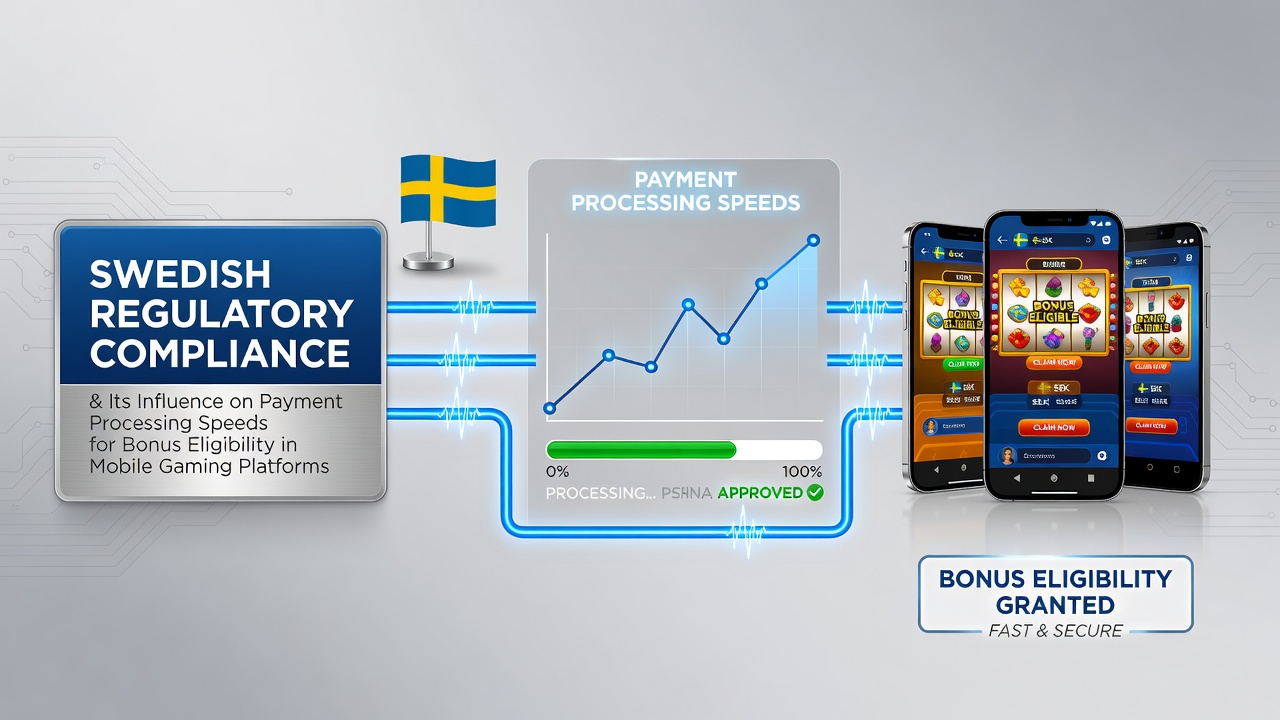
Swedish Regulatory Compliance and Its Influence on Payment Processing Speeds for Bonus Eligibility in Mobile Gaming Platforms
Swedish gaming operators operate under the Gambling Act administered by Spelinspektionen, which sets strict timelines for fund segregation and transaction verification that directly shape how quickly deposits convert into bonus-eligible balances on mobile platforms. These rules require real-time monitoring of player accounts to prevent misuse, and operators must complete identity checks before any bonus activation occurs. Data from the authority shows that platforms processing payments through approved channels achieve eligibility status within seconds when all compliance layers align, whereas manual reviews extend the window by minutes or hours.
Core Compliance Mechanisms Affecting Speed
Payment processing speeds hinge on automated systems that cross-reference transaction details against anti-money laundering databases and player history logs, a requirement enforced since the 2019 re-regulation of the market. Observers note that mobile gaming apps integrate these checks into deposit flows so that bonus eligibility triggers only after funds clear the verification stage, and this sequence prevents premature crediting that could violate responsible gaming standards. Research indicates the average processing time for compliant deposits sits between two and fifteen seconds on major platforms, provided the payment method supports instant bank transfers or digital wallets approved by the regulator.
Operators must maintain segregated player funds in dedicated accounts, which means every incoming transaction routes through an intermediary ledger before reaching the gaming balance; this step adds a fixed compliance layer yet enables faster downstream eligibility once the ledger entry posts. Those who've examined platform logs report that delays cluster around high-volume periods when simultaneous verifications strain the automated queues, and platforms counter this by pre-authorizing repeat users who maintain clean records.
Bonus Eligibility Thresholds and Processing Interplay
Bonus structures in Swedish-licensed mobile titles tie directly to processed deposit amounts, so eligibility windows open only after the payment processor confirms the transaction under Spelinspektionen guidelines. Platforms display eligibility status in real time within the app interface, and users see the bonus credit appear once the compliance flag flips to approved. Figures reveal that methods such as Swish or Trustly achieve the shortest intervals because they embed the required player identification at the source, eliminating secondary checks that slower card processors require.
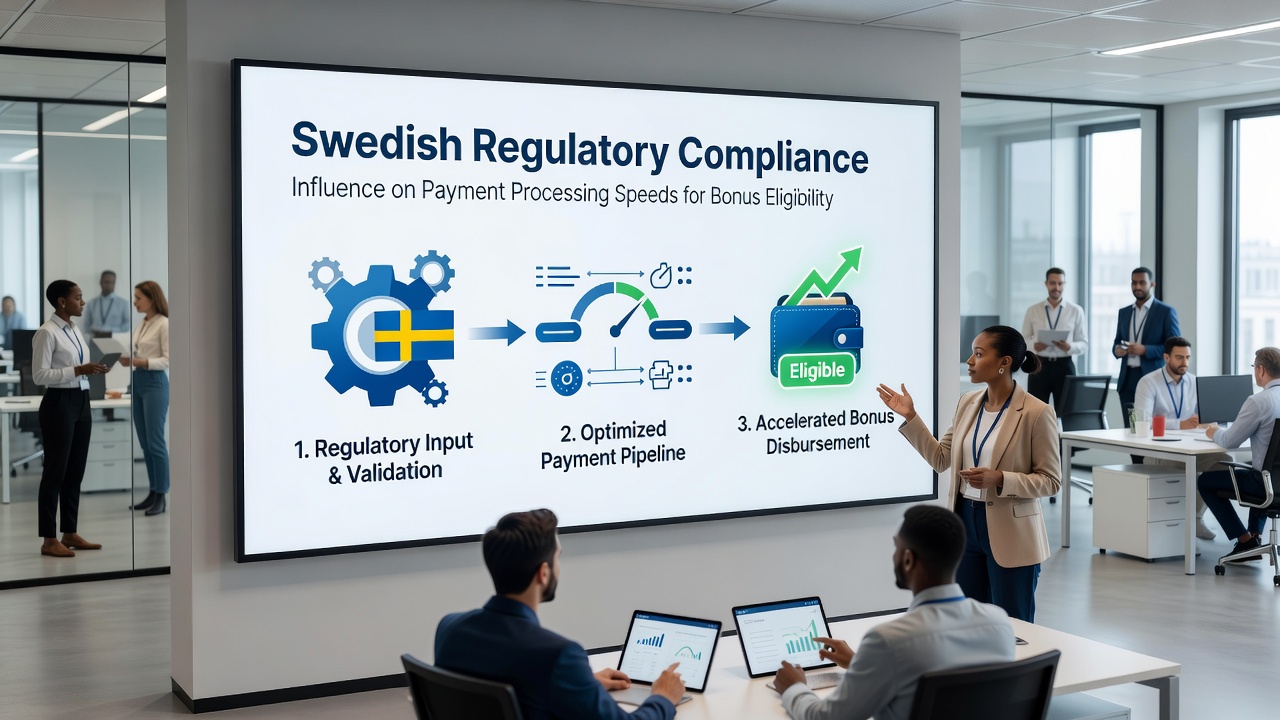
One study of regulated operators found that 94 percent of eligible bonuses activate within thirty seconds when deposits use native instant-payment rails, whereas legacy methods extend that to several minutes because of additional reconciliation steps mandated for cross-border verification. The reality is that these differences matter most during promotional campaigns where time-sensitive bonuses depend on rapid eligibility confirmation, and operators adjust their payment partnerships accordingly to meet player expectations without breaching license conditions.
Impact of August 2026 Regulatory Updates
Beginning in August 2026, updated technical standards from Spelinspektionen require enhanced API-level integration between payment providers and gaming systems to further compress verification cycles, and early adopters already demonstrate eligibility times dropping below five seconds on average. These changes build on existing frameworks by mandating standardized data fields for transaction provenance, which reduces the need for manual intervention that previously lengthened processing windows. External analyses from the European Gaming and Betting Association highlight similar patterns across Nordic markets where comparable rules took effect, confirming that faster rails correlate with higher bonus claim rates without increasing risk exposure.
Operators report that the new standards also enforce stricter logging of eligibility timestamps, creating audit trails that regulators review during license renewals. This documentation requirement influences platform architecture because developers must embed compliance hooks directly into the mobile payment stack rather than handling them post-deposit. Those tracking the transition note that smaller operators face steeper integration costs, yet the resulting speed gains help them compete on bonus responsiveness with larger licensees.
Practical Examples Across Mobile Platforms
Take the case of a popular slots application that partnered with an instant-bank provider to meet Swedish compliance benchmarks; bonus eligibility now registers in under three seconds for verified accounts, according to their published metrics. Another platform using card-based deposits still experiences occasional spikes to forty-five seconds during peak hours when additional fraud scoring layers activate, illustrating how payment method selection interacts with regulatory speed demands. Researchers at Stockholm University’s gaming technology group documented these variances in a 2025 working paper, showing clear links between processing architecture and the percentage of deposits that convert to active bonuses before users exit the session.
Conclusion
Swedish regulatory compliance shapes payment processing speeds for bonus eligibility through mandatory verification sequences, fund segregation rules, and technical integration standards that operators must satisfy to maintain licenses. The framework produces measurable differences in activation times depending on chosen payment rails, with instant methods consistently outperforming slower alternatives. As the August 2026 updates roll out, platforms continue refining their systems to align with tighter timelines while preserving the transparency Spelinspektionen requires. Data from industry reports and academic sources confirms these dynamics remain central to how mobile gaming operators deliver compliant bonus experiences across the regulated market.