Swedish Licensing Rules and Their Direct Effect on Jackpot Payout Timelines in Regulated Mobile Slots
Skriven av Yara Keller · 2026-08-19
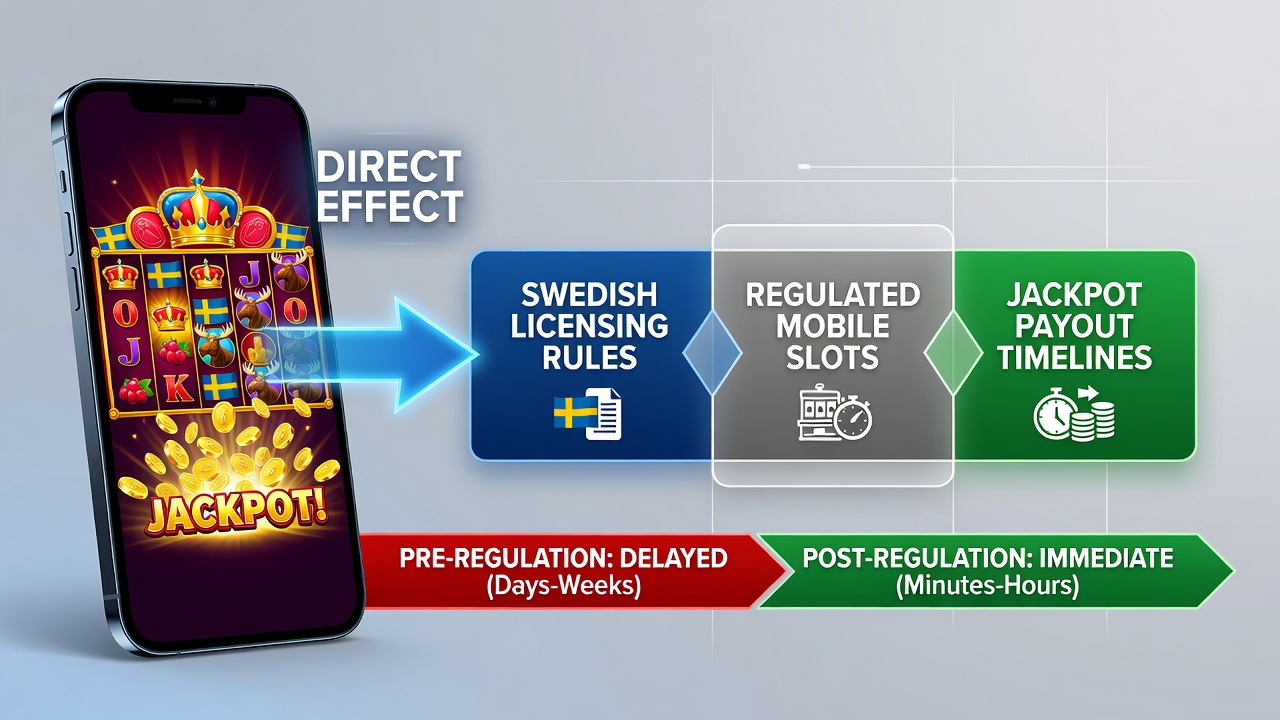
Swedish Licensing Rules and Their Direct Effect on Jackpot Payout Timelines in Regulated Mobile Slots
Understanding the Swedish Licensing Framework
Sweden introduced its re-regulated gambling market in 2019 under the oversight of Spelinspektionen, the national authority that issues licenses and enforces compliance across operators offering games to Swedish residents. The framework requires all licensed entities to maintain segregated player funds, implement robust identity verification, and adhere to strict technical standards for game fairness, including those governing progressive jackpots in mobile slots. These requirements create direct pathways that shape how and when jackpot winnings reach players, since operators must route payouts through audited systems that prioritize security and regulatory reporting.
Data from industry reports shows that mobile slot participation accounts for a growing share of activity in the licensed Swedish market, with jackpot features drawing significant engagement because of their visibility and potential scale. Licensing conditions mandate that operators demonstrate real-time monitoring capabilities for jackpot pools, which in turn influences the speed of final disbursements once a win triggers.
Verification Processes and Their Role in Payout Timelines
Swedish rules require operators to complete customer due diligence before releasing funds above certain thresholds, particularly for large jackpot amounts that exceed automated approval limits. This process involves cross-checking player identities against official records, a step that licensed platforms integrate directly into their mobile applications to reduce delays. Research indicates that such integrated checks typically occur within hours rather than days when systems operate under Spelinspektionen standards, because operators must maintain pre-approved technical interfaces with verification providers.
Those who study payout patterns note that the segregation of player funds required by license conditions further streamlines access to jackpot reserves, since these accounts remain separate from operational capital and subject to regular audits. Operators cannot release winnings until reconciliation confirms compliance, yet the same rules prohibit unnecessary holds once verification clears.
Technical Standards for Jackpot Systems in Mobile Slots
Licensed mobile slots must use certified random number generators and jackpot contribution mechanisms that log every transaction in a format accessible to regulators. These technical mandates mean that when a jackpot hits, the system already contains the data needed for immediate payout authorization under normal circumstances. Observers note that August 2026 will see updated technical guidelines take effect, requiring enhanced real-time reporting on jackpot pool integrity, which operators expect will further compress approval windows for verified winners.
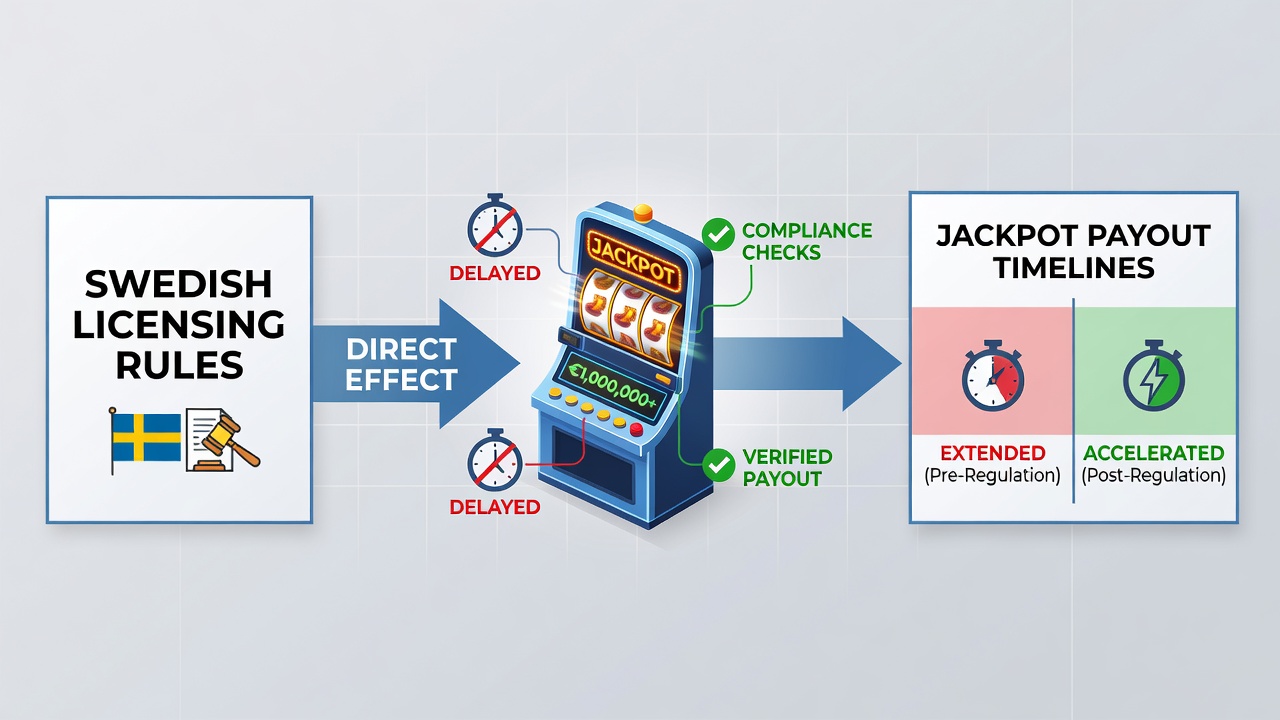
Operators must also ensure that progressive jackpot contributions from Swedish players remain ring-fenced, a condition that prevents commingling with other jurisdictions and supports faster reconciliation when a win occurs. Industry data reveals that platforms meeting these standards process the majority of mobile jackpot claims within one to three business days once verification completes, compared with longer windows reported in less structured markets.
Responsible Gambling Measures and Their Intersection with Payouts
Swedish licensing incorporates mandatory responsible gambling tools, including deposit limits and self-exclusion registers that operators must consult before finalizing large transfers. While these checks add a procedural layer, they occur in parallel with identity verification for most players already registered on licensed apps. Studies from European research institutions demonstrate that pre-emptive compliance reduces the incidence of post-win disputes, allowing funds to move once all flags clear.
Take one operator that adjusted its mobile slot backend to align with Spelinspektionen requirements; figures from that case show a measurable drop in payout processing time after the changes, because the system now flags and resolves compliance items automatically during the spin sequence rather than after the fact.
Comparative Context from Other Regulated Markets
Evidence from regulatory bodies in Canada and Australia highlights similar patterns where strict licensing correlates with predictable payout schedules for regulated mobile slots. Swedish requirements, however, place particular emphasis on fund protection and continuous auditing, elements that create a narrower window between win confirmation and transfer. A report issued by an academic research group in Australia, available at gamblingresearch.org.au, examined how license conditions affect jackpot handling across jurisdictions and found that markets with segregated-fund rules consistently record shorter average timelines for verified claims.
Another source worth noting is data published by the European Gaming and Betting Association, accessible via egba.eu, which tracks how technical standards influence operational efficiency in mobile gaming. Swedish operators appear in these datasets as examples of systems that balance rapid disbursement with mandatory safeguards.
Conclusion
Swedish licensing rules establish clear technical and procedural requirements that directly shape jackpot payout timelines in regulated mobile slots. Verification protocols, fund segregation, and ongoing audit obligations combine to produce consistent processing windows once a win is confirmed. As the market evolves toward the August 2026 guideline updates, operators continue refining their mobile platforms to maintain compliance while meeting player expectations for timely access to winnings. The result is a regulated environment where payout mechanics reflect the interplay between security mandates adn operational efficiency.